
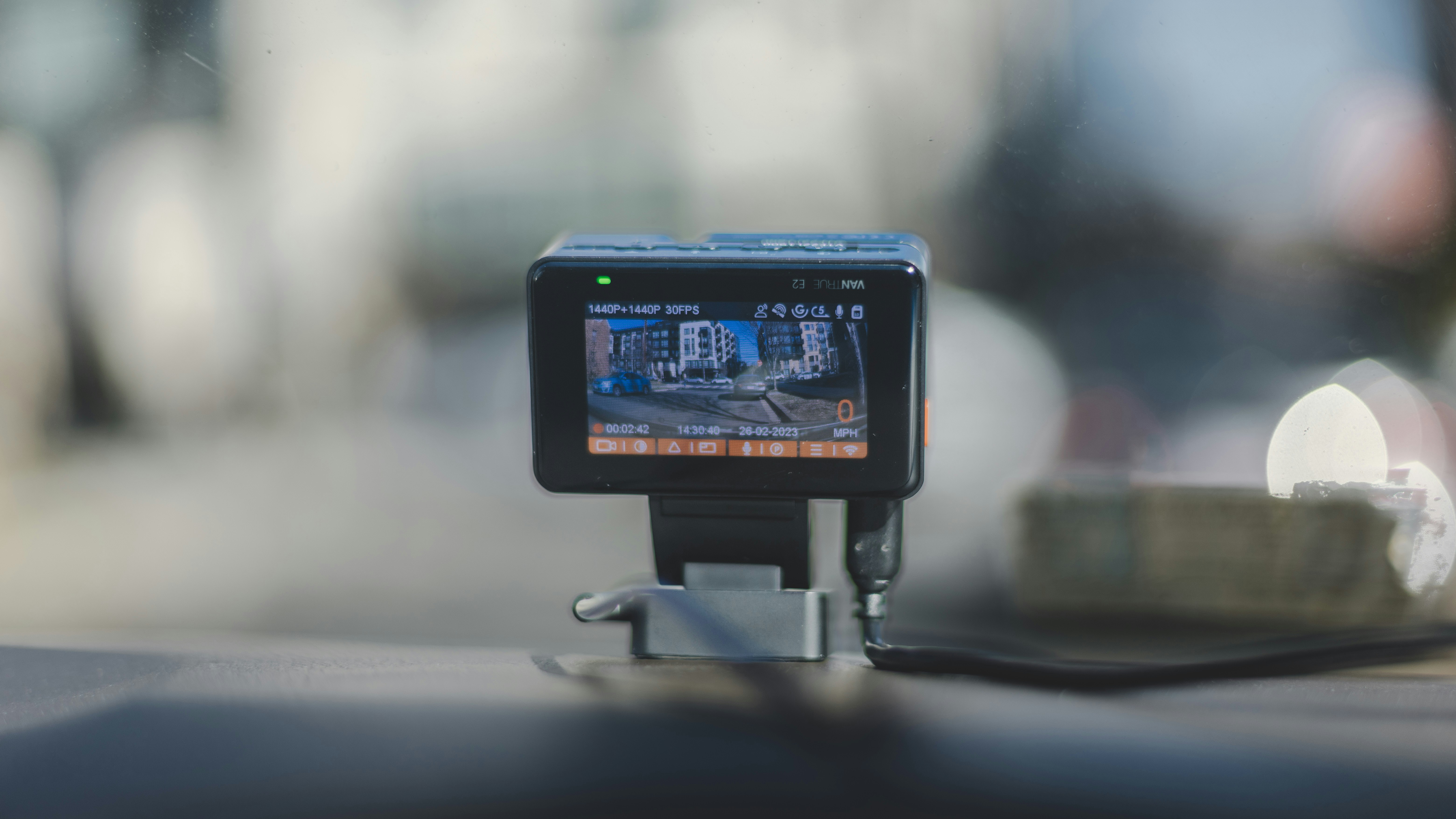
Understanding Dashcams: What They Are and How They Work
Dashcams, or dashboard cameras, are small digital video recorders mounted on the windshield of a vehicle. They serve primarily to capture footage of the road while driving and can prove invaluable in a variety of situations. Functionally, these devices continuously record video footage, documenting not only what happens on the road but also specific driving metrics, such as GPS locations and speed. This data becomes crucial during incidents like accidents or traffic violations, offering an objective account of events as they occurred.
Dashcams are available in various types, ranging from basic models that merely record front-facing video to more advanced systems that include features such as dual-lens recording, which captures both the road ahead and the inside of the vehicle. Some modern dashcams are equipped with high-definition video capabilities, ensuring clear and detailed footage. Additionally, many dashcams come with built-in motion detection, enabling them to record any activity around the vehicle even when parked. This feature enhances security by capturing incidents such as theft or vandalism.
The technology behind dashcams has evolved significantly over the years. Initial models were straightforward, often lacking features beyond basic video recording. However, contemporary dashcams can offer functionalities such as GPS tracking and the ability to upload footage to the cloud, allowing for easy access from multiple devices. Enhanced night vision capabilities have also emerged, improving recording quality in low-light conditions, which is particularly useful for nighttime driving. This continuous improvement in technology ensures that drivers not only capture incidents but can also rely on their dashcams as effective tools for road safety, contributing to their overall peace of mind.
The Safety and Security Benefits of Dashcams
Dashcams, or dashboard cameras, have emerged as an invaluable tool for modern drivers, providing numerous safety and security benefits. One of the most pivotal advantages of having a dashcam in your vehicle is its ability to serve as an objective eyewitness in the event of an accident. In scenarios where disputes arise between drivers regarding fault, the footage captured by a dashcam can provide crucial evidence. This can not only expedite insurance claims but also potentially prevent lengthy legal battles. According to recent studies, incidents where dashcam footage has been utilized to resolve disputes have increased significantly, underlining their importance as a reliable source of truth.
Moreover, the presence of a dashcam can deter theft and vandalism. When potential criminals notice a camera prominently placed within a vehicle, the likelihood of them targeting that vehicle diminishes considerably. Reports indicate that vehicles equipped with dashcams are less likely to be stolen or damaged, as criminals often seek easy targets free from surveillance. For vehicle owners, this added layer of security offers peace of mind, particularly in high-crime areas.
Additionally, dashcams can enhance personal safety during travel. In situations such as road rage incidents or encounters with aggressive drivers, having a dashcam can serve as a safeguard. Footage can help identify offenders and assist law enforcement in taking necessary actions. Real-life stories abound where individuals have used dashcam footage to protect themselves from false accusations or to provide critical evidence in court. The psychological reassurance provided by knowing that one’s journey is being recorded also contributes to a more relaxed driving experience. With these benefits in mind, it is clear that dashcams are not merely functional devices; they play a crucial role in ensuring driver safety and security.
Choosing the Right Dashcam for Your Vehicle
As the market for dashcams continues to grow, selecting the right one for your vehicle becomes increasingly essential. The first factor to consider is video quality. Look for models that offer at least 1080p resolution for crisp, clear footage. Some dashcams feature higher resolutions such as 1440p or even 4K, which can significantly enhance the clarity of captured events, making it easier to identify license plates and other important details.
Storage capacity is another critical aspect. Most dashcams use microSD cards for storing footage, and it’s advisable to select a model that supports larger storage options, ideally 64GB or higher. This allows the camera to store more video before it overwrites the oldest footage. Some dashcams also offer a loop recording feature, which ensures continuous recording without running out of space.
Ease of installation is a practical consideration. Many dashcams are designed for user-friendly installation, often coming with suction mounts or adhesive strips for the windshield. Look for models with cord management features to keep your setup clean and unobtrusive. Additionally, if you desire comprehensive coverage, consider a dual-camera setup that records both front and rear views, providing an extra layer of security.
Price ranges can vary widely, from budget options under $50 to high-end models exceeding $300. It’s important to balance your budget with the features that are most important to you. Well-established brands in the market include Garmin, BlackVue, and Nextbase, which are known for their reliability and quality. Lastly, purchasing dashcams from reputable online retailers or local electronics stores can ensure you receive authentic products along with adequate customer support. Conducting thorough research will ultimately lead you to the dashcam that best suits your needs, enhancing your vehicular security.
Legal and Privacy Considerations When Using Dashcams
The use of dashcams has gained significant popularity among vehicle owners in recent years due to their role in enhancing safety and providing crucial evidence in case of accidents. However, it is essential to be aware of the legal implications and privacy concerns associated with recording video in public and private spaces. Different jurisdictions have distinct laws governing video recordings, which can significantly influence how dashcams can be used.
Many regions require that any recording should comply with consent laws, particularly when audio is being captured. When using a dashcam, it is advisable to verify local laws to ensure compliance, as some states may necessitate the consent of all parties being recorded. Additionally, it is critical to be aware of data retention policies. Different entities, such as insurance companies or law enforcement, may have specific guidelines regarding how long video footage must be retained and under what circumstances it can be shared.
Sharing dashcam footage with authorities or insurance companies can sometimes be complicated. Ensure that you understand the circumstances under which you are permitted to share your recordings, as any breach of privacy could lead to legal ramifications. Respect for the privacy of others is paramount; it is advisable to avoid pointing your camera at private properties or individuals without their consent to prevent potential conflicts.
Data management is another essential aspect to consider. Properly secured data is crucial to protect the footage collected. Utilize password protection and encryption techniques to ensure that the recorded data remains safe from unauthorized access. This approach not only helps comply with legal standards but also mitigates privacy concerns related to the use of dashcams. By being informed and vigilant about these legal and privacy aspects, drivers can responsibly use dashcams while enhancing their peace of mind on the road.